Mossel Bay does not get the savage heat of the Karoo, so plenty of people assume air conditioning is a luxury here. Then February arrives, the upstairs bedroom stays warm well past bedtime, and the same people start asking for a quote.
This is an honest look at what a modern air conditioner does for a Garden Route home, what it costs to run, and the electrical details that decide whether it works well for years or trips your board every afternoon.
It cools and it heats
Almost every split unit sold today is an inverter heat pump. That means the same machine that cools the lounge in January can warm it in July. Mossel Bay winters are mild by South African standards, but they are damp, and 14 degrees feels a lot colder in damp air than in dry air.
A heat pump moves heat instead of making it. As a rule of thumb it delivers roughly three units of heat for every unit of electricity it uses, where a plug-in element heater delivers one. If you now warm a bedroom with a 2 kW heater, a heat pump can usually do the same job on around a third of the power.
Less damp, better sleep
In cooling and dry mode an air conditioner pulls moisture out of the air and drains it away outside. For a sea-facing home where cupboards smell musty and bathroom ceilings speckle, that matters. It will not fix a leaking roof or a missing extractor fan, and we will tell you if the real fix is somewhere else, but as part of a damp-control plan it helps a lot.
Sleep is the other quiet win. Bedrooms under a flat roof or on an upper floor hold the day's heat well into the night. A bedroom unit running gently on a timer is usually enough, and it is the one place most households notice the difference first.
What it costs to run
Inverter units adjust compressor speed to hold the temperature instead of switching on and off at full power, so they use noticeably less electricity once the room is cool. Cheap fixed-speed units are still sold, and they cost more to run every month for the life of the machine.
A typical inverter split for a bedroom draws somewhere around one kilowatt while working hard and a good deal less once it settles. An hour of running is roughly one unit (one kWh) or less on your meter, so multiply by your own tariff to see what an evening costs. A few habits keep that number down:
- Set it to 23 or 24 degrees. Setting 16 does not cool faster, it just runs harder.
- Close doors and curtains in the room you are cooling.
- Clean the filters monthly in season. Clogged filters make the unit work harder for less cooling.
- Use the timer or sleep mode overnight instead of running flat out until morning.
The electrical side most buyers never hear about
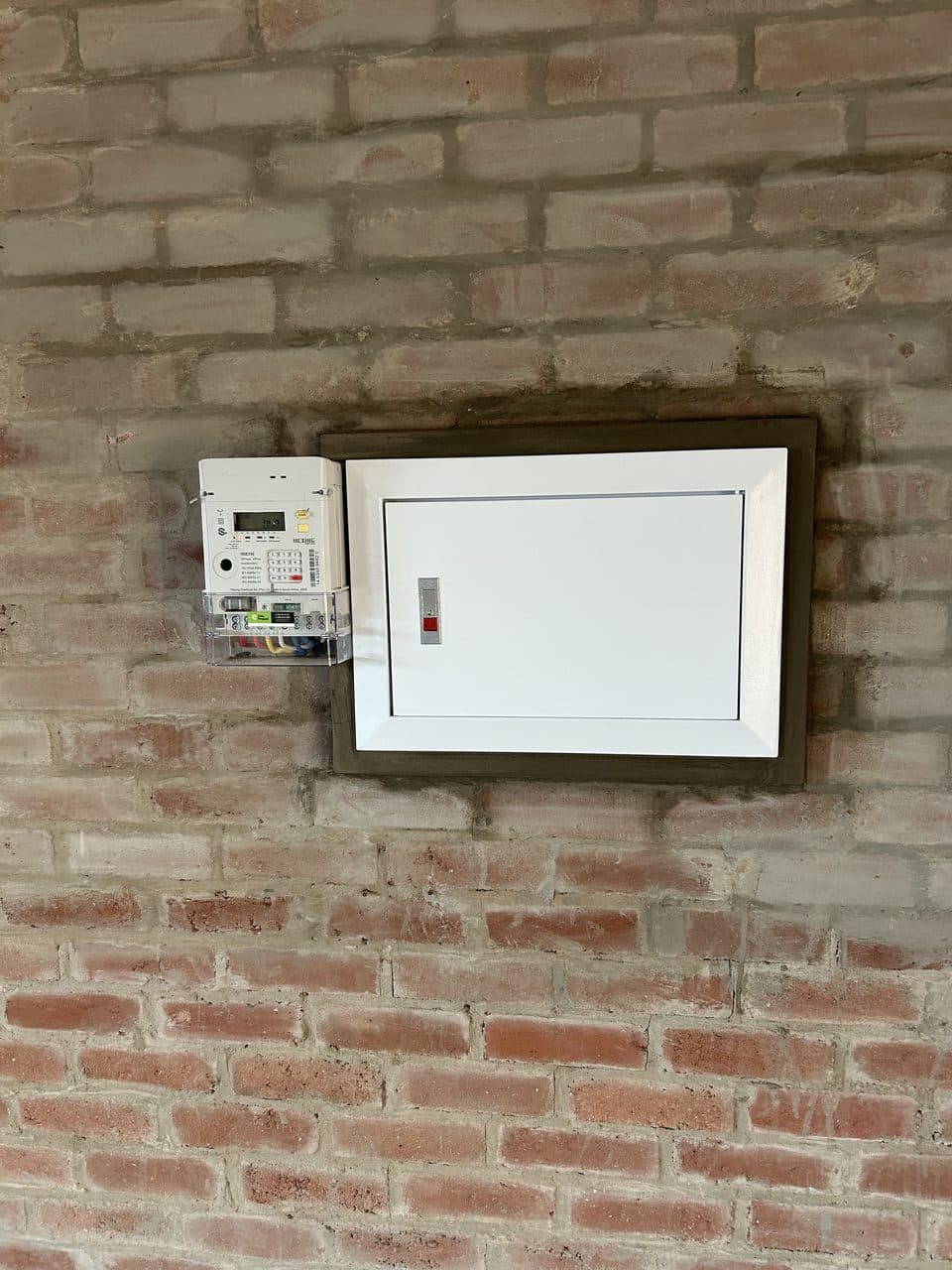
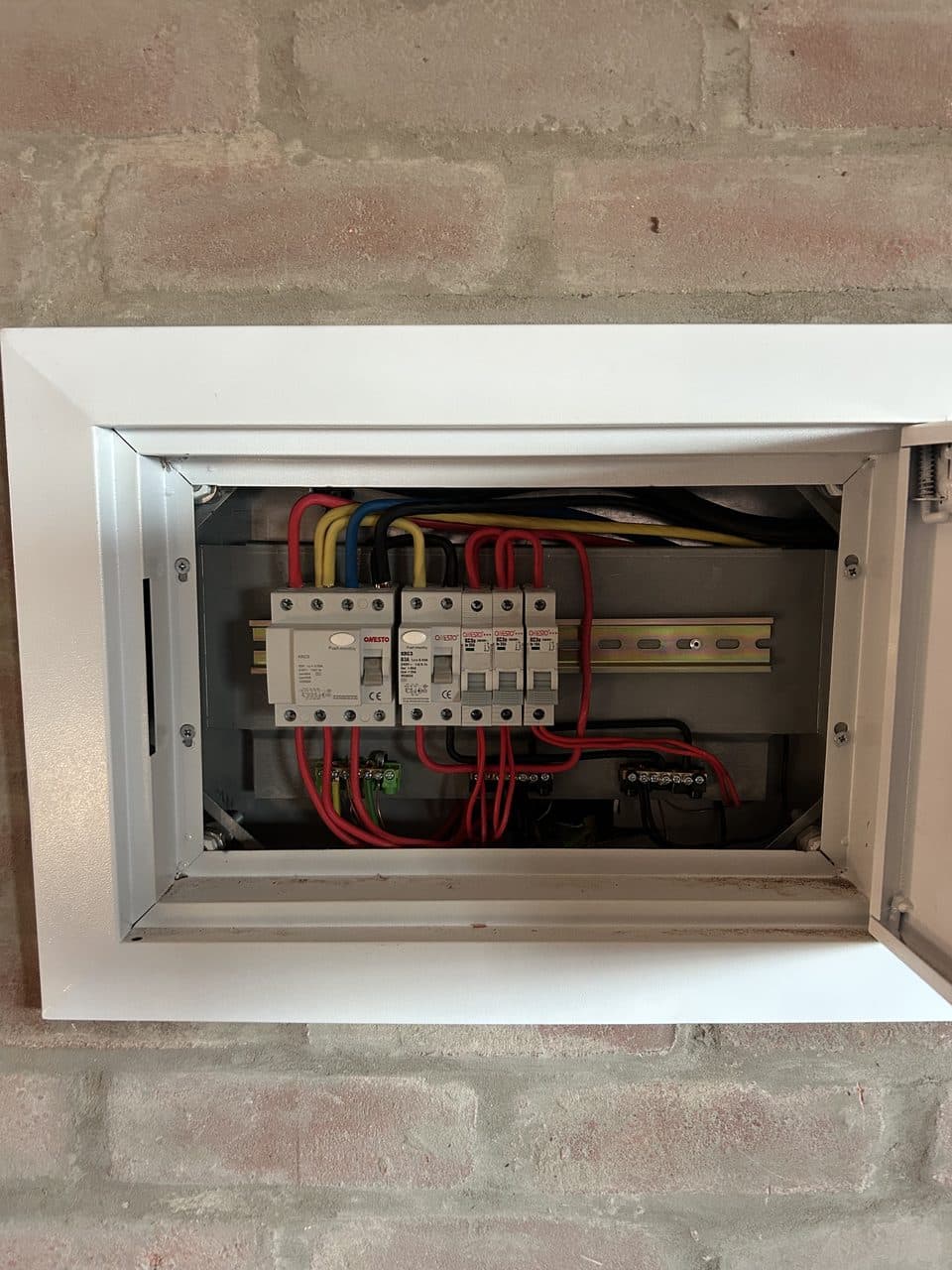
An air conditioner is a heavy, motor-driven load that surges when the compressor starts. Installed properly, it has its own circuit, and everything on that circuit is sized for it. Installed badly, it shares a plug with the kettle and trips the board every time the compressor kicks in.
- A dedicated circuit straight from the distribution board.
- A breaker and cable sized for the unit, not whatever was lying around.
- A lockable isolator next to the outdoor unit so it can be switched off safely for servicing.
- Earth leakage protection, which matters more near the coast where moisture gets into outdoor connections.
- Spare capacity on the board. An old, full board often needs upgrading first.
- A certificate for the new electrical work, which also helps when you sell.
That is why we treat air conditioning as electrical work first. Our air conditioning service covers supply, installation and servicing, and if your board is old or full, a distribution board upgrade usually comes first.
Getting the size right
A unit that is too small runs flat out and never gets the room comfortable. A unit that is too big cools fast, switches off, and leaves the room clammy because it never runs long enough to dry the air. This table is a rough guide only:
| Unit size | Cooling output | Typical room |
|---|---|---|
| 9,000 BTU | about 2.6 kW | Small bedroom, up to about 15 m² |
| 12,000 BTU | about 3.5 kW | Main bedroom or lounge, up to about 25 m² |
| 18,000 BTU | about 5.3 kW | Large lounge, about 25 to 40 m² |
| 24,000 BTU | about 7 kW | Open-plan space, about 40 to 55 m² |
West-facing rooms, big glass doors and rooms directly under a roof need to go up a size. This is the part worth a site visit instead of a guess.
Where to start
Tell us which rooms you want to cool, and we will look at the room, the board and the cable route, then give you a fixed written quote. Request a free quote or call 082 773 9913. If you are planning to run aircon off solar as well, read our guide to running air conditioning on solar and backup power.
Common questions
Can one air conditioner cool a whole house?+
A single split unit cools the room it is in and a little of what flows from it. For a whole house you either fit one unit per main area, or use a multi-split system where one outdoor unit serves several rooms. Which is better depends on the layout and your distribution board.
Do air conditioners make the air too dry?+
Not in normal use. In a coastal climate, removing humidity usually makes a room feel better, not drier. If it ever feels dry, raise the temperature a degree or two or use the fan or auto mode.
How often should an air conditioner be serviced?+
Wipe the filters monthly in season and have the unit serviced by a technician once a year, ideally before summer. Holiday homes should be serviced before every busy season.
Does installing air conditioning need an electrical certificate?+
The new circuit is electrical work, so it should be covered by a Certificate of Compliance from a registered electrical contractor. That also matters when you later sell the property.