You have an offer, the agent is happy, and then the conveyancer asks for a Certificate of Compliance. For many sellers that is the first time they have thought about the wiring in their house. The good news is that the process is straightforward when you start early.
What a COC is and who needs one
An electrical Certificate of Compliance, or COC, records that a property's electrical installation has been inspected and tested and meets the national wiring standard, SANS 10142-1. Under South Africa's electrical installation regulations, the seller is responsible for providing a valid COC when ownership changes.
Your conveyancer will ask for it, and in practice the sale stalls until it is in hand. Contract terms and practice can vary a little, so confirm exactly what your conveyancer needs.
Who can issue one
Only a registered person can issue a COC, which means a registered electrical contractor with the right category of registration. Be wary of anyone who offers a certificate for a flat fee without visiting, or who inspects an entire house in a few minutes. A genuine inspection takes time because the circuits are tested, not just looked at.
Our certificate of compliance service covers inspections for property sales, transfers and insurance, with rectification quoted before any work starts.
What the inspection covers
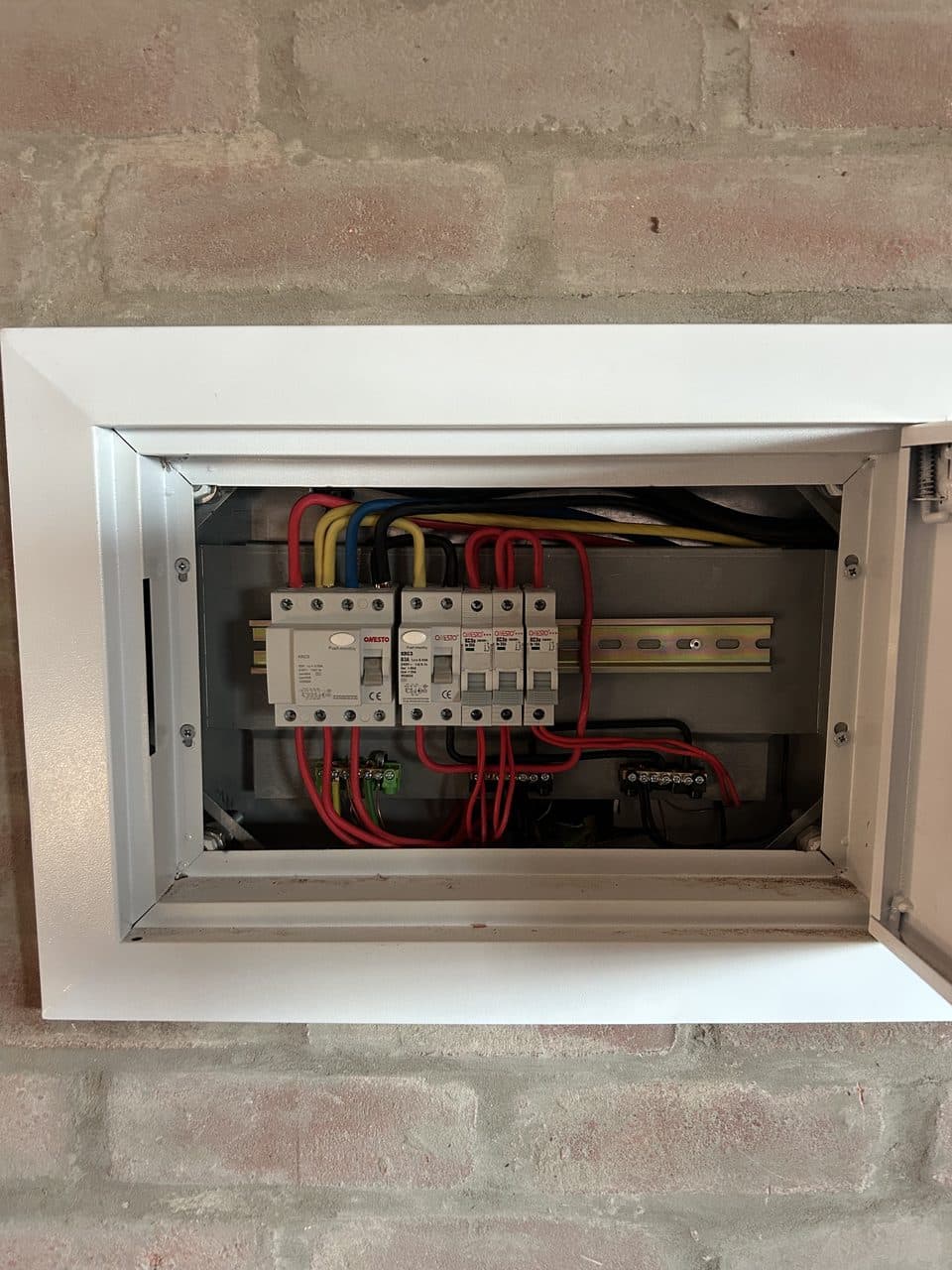
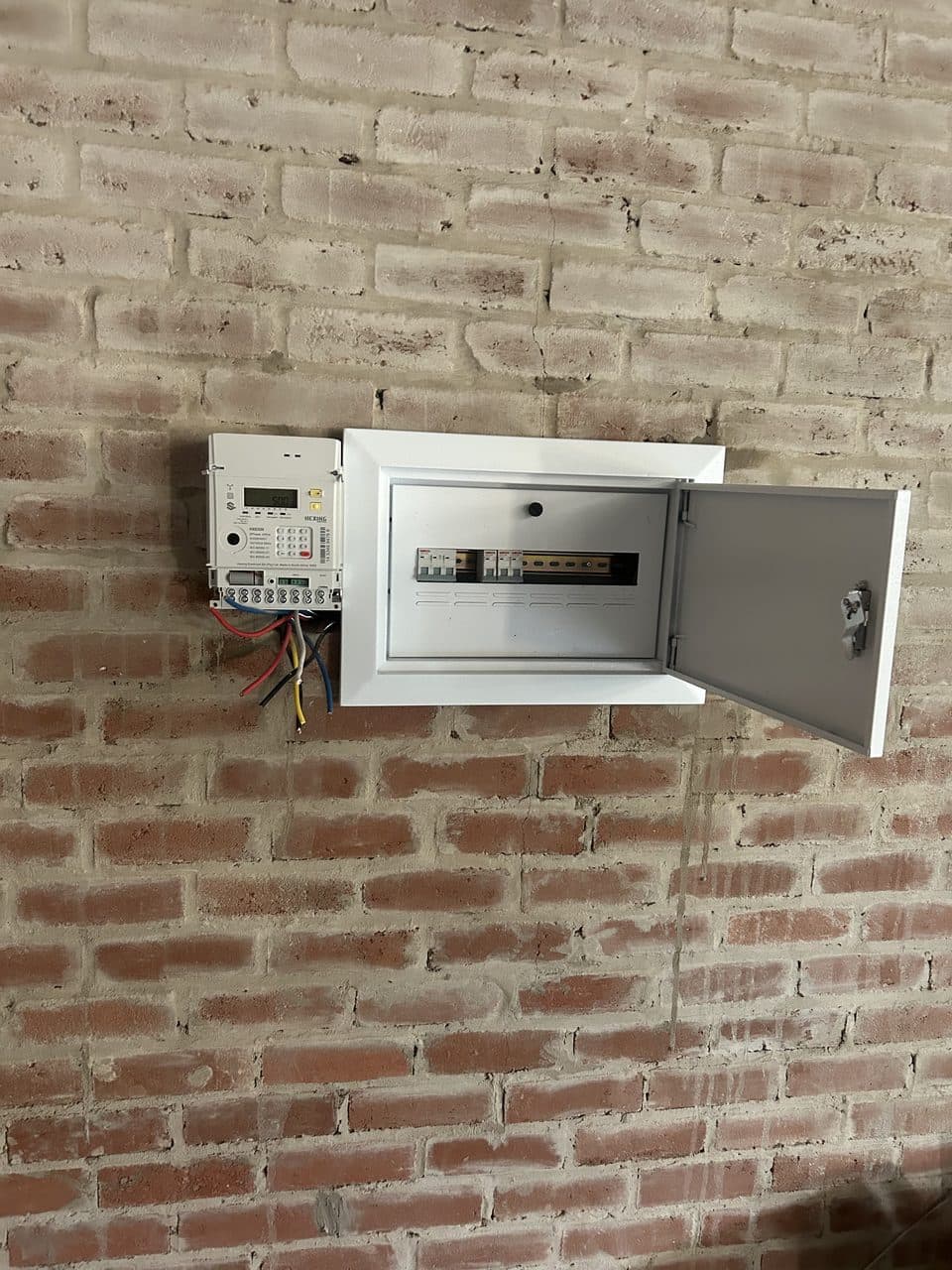
- The main supply and the distribution board, including labelling and condition.
- The earth leakage device, which is tested to confirm it trips.
- Earthing and bonding, including the geyser and metal pipework.
- Insulation and polarity tests on circuits.
- Plugs, switches, light fittings and their condition.
- Outbuildings, gate motors and garden lighting.
- Any DIY, unlabelled or unusual wiring.
Why houses fail, and what it means
- No earth leakage protection, which is common in older homes.
- Missing earth bonding on the geyser or metal pipes.
- DIY wiring, joins outside enclosures or damaged cables.
- Overloaded, unlabelled or rusted distribution boards, which is common on coastal properties.
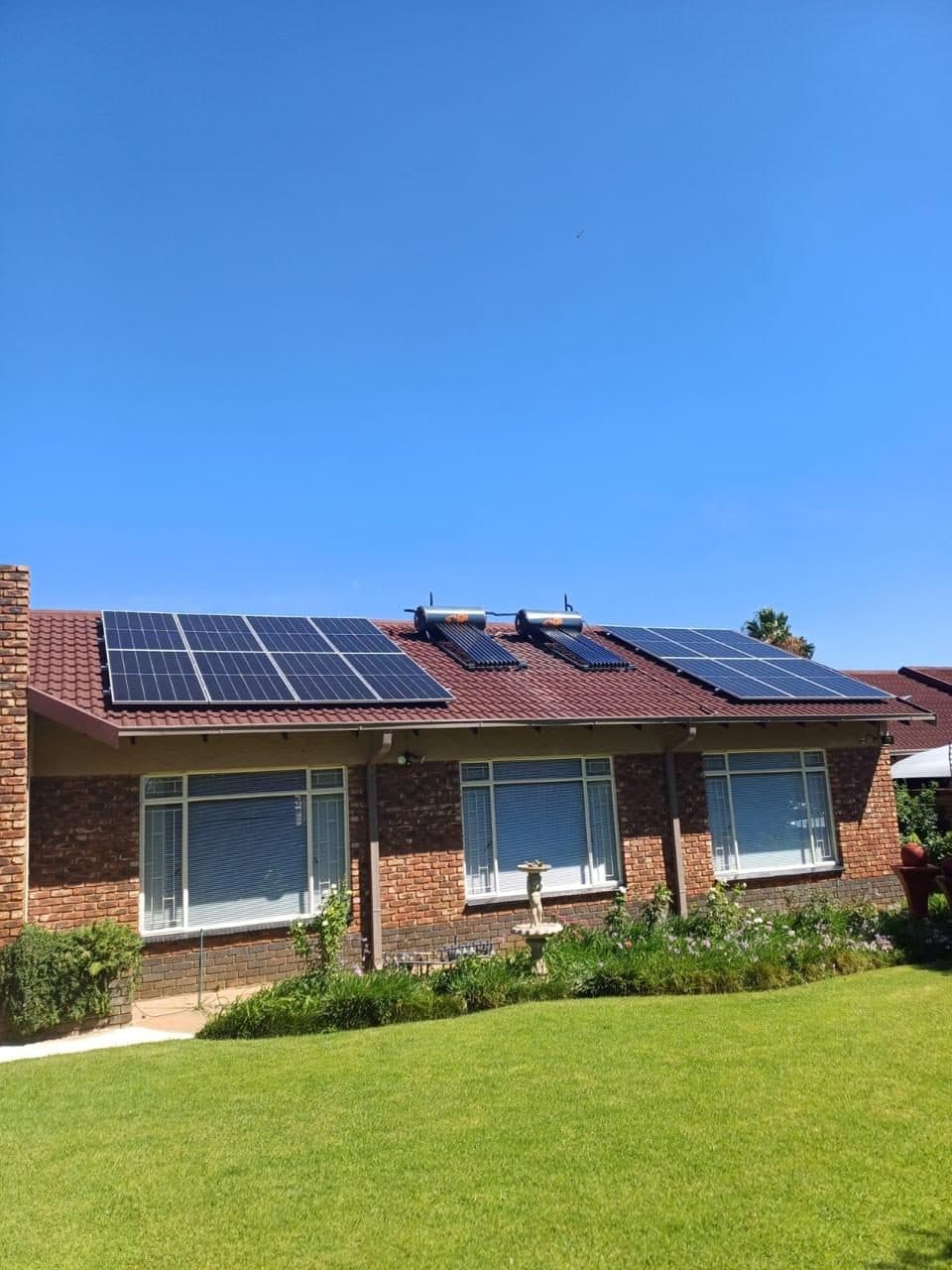
- Alterations such as an inverter, solar system or extra circuits that were never certified.
A fail is not a dead end. It is a defect list. Once the items are corrected, the certificate is issued.
How long it takes
Allow a week or two for an inspection and any repairs, and longer for an older home that needs a board replaced or sections rewired. Do not leave it until the week of signature. The usual order is:
- 1Book the inspection as soon as you list the property.
- 2The inspector tests the installation and gives you a defect list.
- 3You approve a fixed quote for the repairs.
- 4Repairs are completed and retested.
- 5The certificate is issued and passed to your conveyancer.
What it costs
The price depends on the size and age of the property, how many distribution boards it has, and above all how much needs fixing. The inspection is only part of it, and the repairs are what vary. We inspect first and give a fixed quote for any repairs before touching anything, so there are no surprises. It is fair to ask a few registered contractors exactly what their price includes.
If you are a buyer, ask for the COC early and check its date. A certificate for a house that has since had additions does not cover those additions.
Start early
Request a free quote or call 082 773 9913, and tell us your transfer date so we can plan around it. Renting out a holiday property? See our holiday home electrical checklist.
Common questions
Does the buyer or the seller pay for the COC?+
In South Africa the seller is responsible for providing a valid electrical COC on transfer, although the offer to purchase can set out arrangements. Check the contract with your agent or conveyancer.
How long is a COC valid?+
A certificate only covers the installation as it was when inspected, and any alteration needs its own certificate. Your conveyancer or the buyer may also want a recent one, so ask what they will accept.
What happens if my house fails the inspection?+
You receive a list of defects and a quote to fix them. Once they are corrected and retested, the certificate is issued. A fail is a to-do list, not the end of the sale.
Does a solar or inverter installation need its own certification?+
Solar and inverter installations are electrical work and should be certified by the registered installer. The whole installation also has to meet the standard when the property is sold.