A house that sits empty for months and then fills with a full family on the 15th of December is the hardest test its electrics will ever get. Salt air, damp, mice and plain lack of use all take a toll, and the first you hear of it is a guest on the phone on night one.
Work through this list in October or November, while electricians can still fit you in.
1. Test the earth leakage
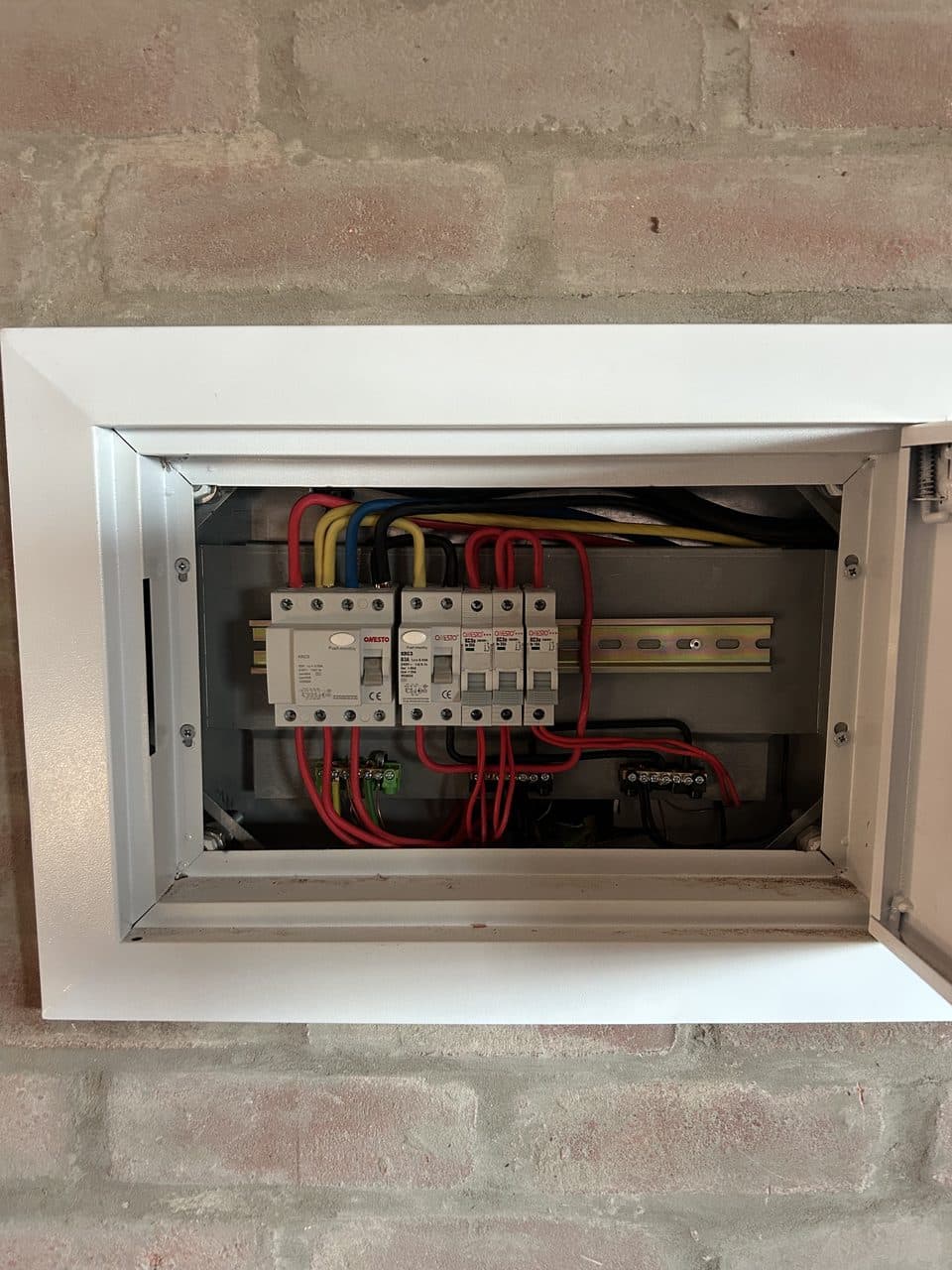
Find the earth leakage device in the distribution board and press its test button. It should trip immediately. If it does not, it is not protecting anyone and should be replaced. This takes ten seconds and is the most important check on the list.
2. Look at the distribution board
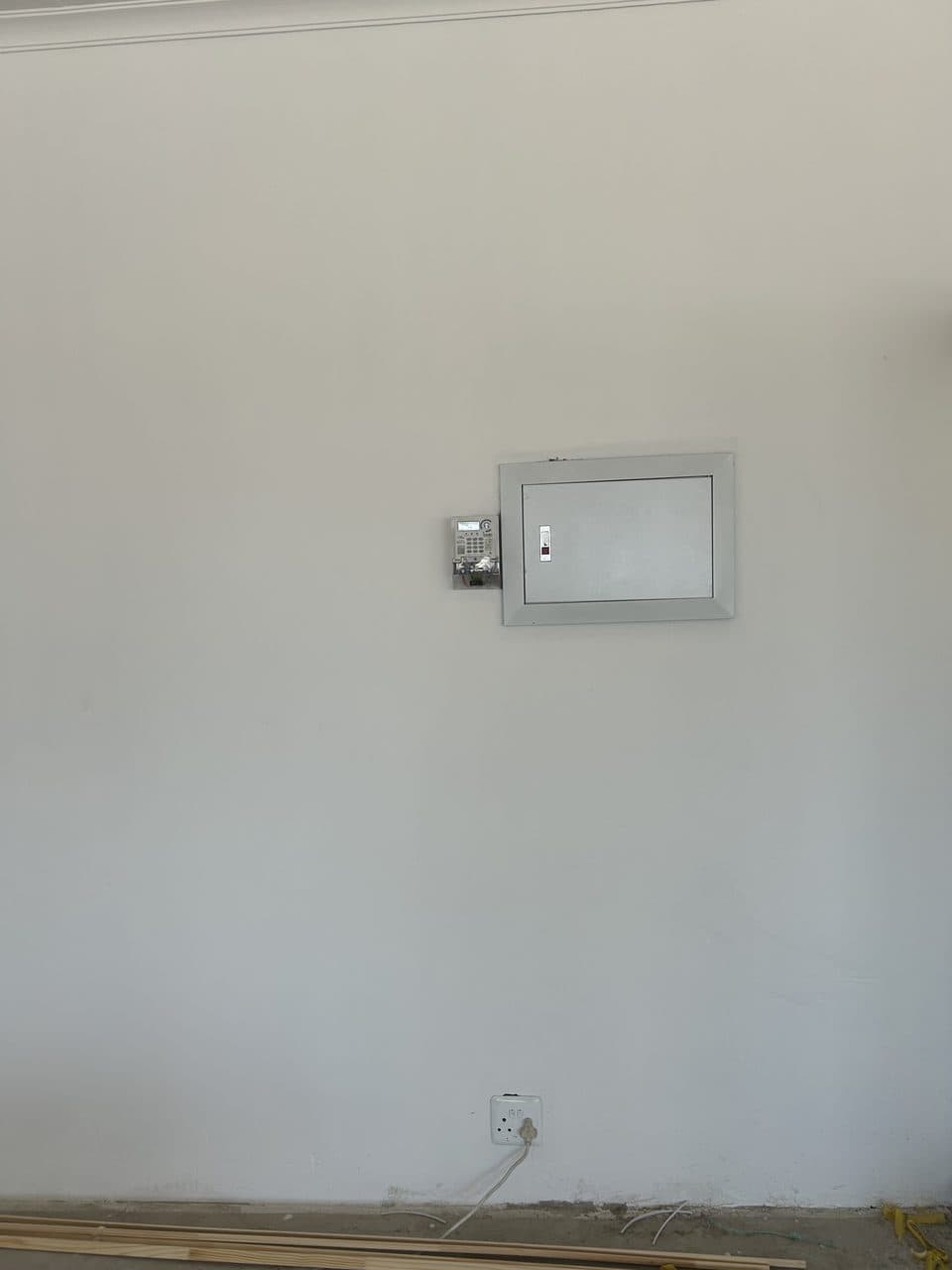
Without opening anything, look at the outside. Rust, moisture marks, a cover that does not close, a buzzing sound or a burning smell mean call an electrician. Houses that sit empty near the coast are prone to corroded boards and the occasional mouse nest in a cable run.
3. Service the air conditioner
Units that sit idle through winter collect dust, mould and slow gas losses. A service before the season, and a check that the circuit and isolator are sound, is far cheaper than a guest in 34 degrees with a broken unit. See our air conditioning service, or what to check first in air conditioner not cooling or tripping.
4. Check the geyser's electrics
Elements and thermostats fail after long idle periods, and a geyser that does not heat is the number one guest complaint. Check that the isolator, element, thermostat and earth bonding are in order. Any visible leak or pressure valve problem is a plumber's job, and worth fixing at the same time.
5. Fit or check surge protection
Summer storms and grid switching send surges down the line. Surge protection at the board protects the TVs, routers, air conditioners and inverters that guests rely on. Check that any existing device is intact and its indicator is healthy. Our guide to surge protection explains what to fit and why.
6. Inspect outdoor lighting, sockets and the pool pump
Salt air destroys standard outdoor fittings. Look for cracked covers, corroded sockets and fittings, and wiring on the pool pump or garden lighting that is damaged or not properly sealed. Replace with coastal-rated fittings where needed. See lighting and LED.
7. Test the backup power
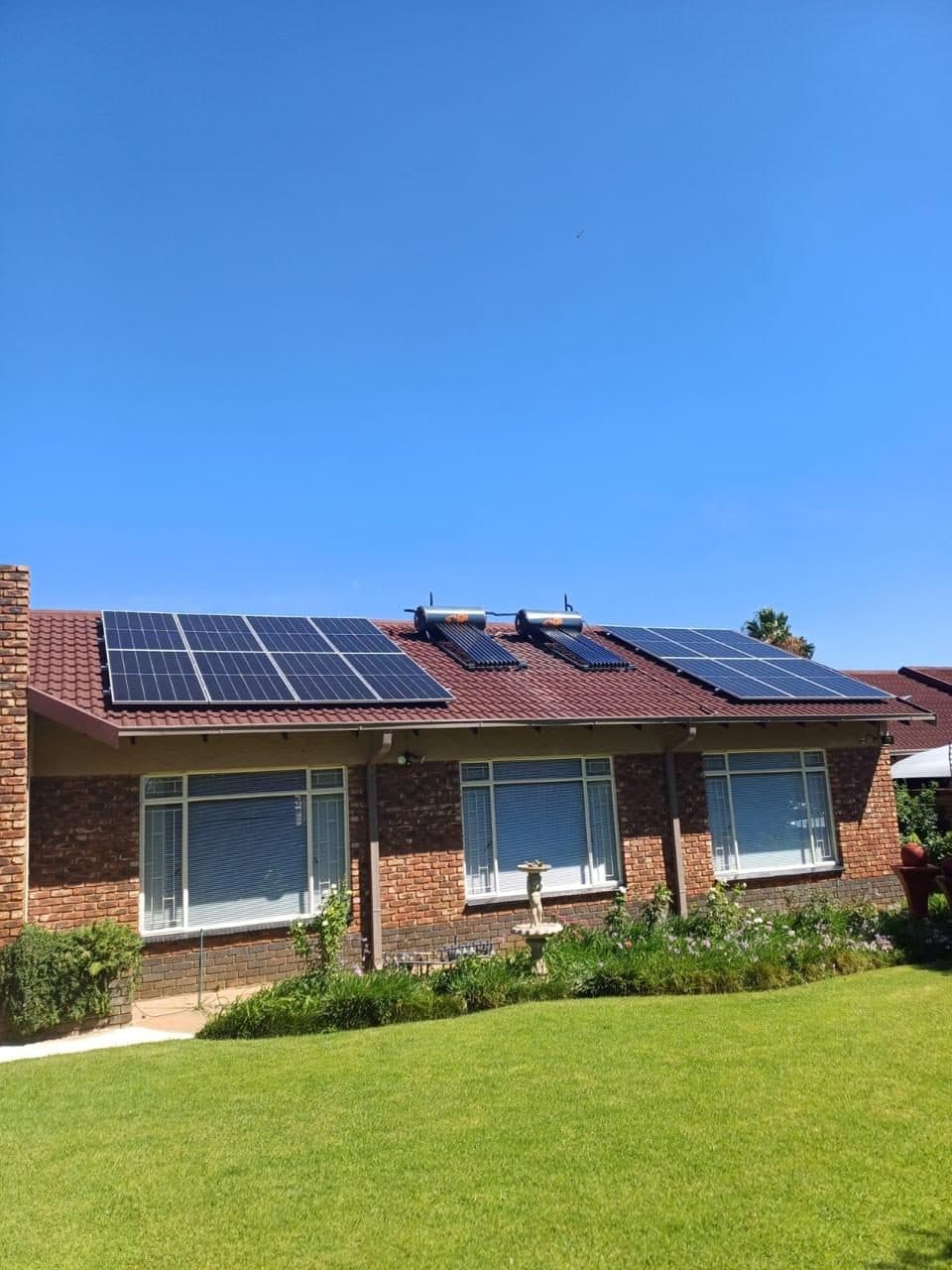
If the house has an inverter or batteries, switch the grid off for an hour and confirm the essentials stay on. Check battery health and that the system has not faulted while the house was empty. Guests increasingly rate holiday homes on whether the power stays on. See our backup power service.
8. Replace damaged plugs, cords and multiplugs
Daisy-chained extension leads, cracked plugs and overloaded multiplugs are fire risks, and holiday homes with extra guests are where they get used hardest. Add fixed sockets where guests keep reaching for extension leads.
9. Test the smoke alarms
Press the test button on every alarm and replace flat batteries. It is not glamorous, but a working alarm in a house full of sleeping guests is the best safeguard you can have.
10. Confirm your certificate is current
If you rent the home out or have altered the installation, make sure the paperwork matches the house. Insurers and buyers both care about it. Read our guide to the electrical COC, or see our certificate of compliance service.
Book before the rush
Electricians get busy in December, so book early. Holiday home checks are part of our maintenance contracts: we visit, test and report, so you arrive to a house that works. Request a free quote or call 082 773 9913.
Common questions
When should I service my holiday home before the season?+
October or November is ideal. It leaves time to fix whatever turns up before the December rush, when contractors are busiest and parts can take longer to arrive.
Should I switch things off when the house is empty?+
For long stretches it helps to switch off the geyser and non-essential circuits, and to leave on only what needs to stay running, such as an alarm or a fridge. Leave caretakers a written guide to what is safe to switch back on.
Can you check the house if I am not there?+
Yes. Holiday home checks are part of our maintenance contracts: we visit, test the installation and report back, so you know the house is ready before your family or guests arrive.