Most people only learn about power surges after one has cost them something: a router that will not switch on after a storm, a TV that died the moment the power came back, an inverter or air conditioner with a fried control board. Surge damage is common, expensive and largely preventable.
This guide explains what a surge is, what actually causes them on the Garden Route, and what proper protection involves.
What a surge is
Mains power is supposed to sit at a steady voltage. A surge, more properly a transient overvoltage, is a brief spike well above that level, lasting a fraction of a second. That is long enough to overwhelm the electronics inside modern appliances, which are built to tolerate very little excess voltage.
Surges do not always destroy a device outright. Smaller ones can wear components down over months, which is why equipment sometimes fails for no obvious reason long after the event that actually damaged it.
What causes them
- Lightning, either striking nearby lines or the ground close to your property. The Garden Route does not get the Highveld's storm frequency, but it does get storms, and a strike does not have to be close to cause damage.
- Grid switching and faults. When the utility switches networks, clears a fault or restores supply, voltage can jump on the way back.
- Power returning after an outage. The moment supply comes back is one of the most common times appliances are damaged.
- Large motors on your own premises, such as a pool pump, borehole pump or air conditioner starting and stopping.
Notice that most of these have nothing to do with the weather. That is why surge protection is worth having even in a part of the country with modest lightning risk.
What it protects
Anything with a circuit board is vulnerable, and the more expensive the equipment, the more it is worth protecting:
- Inverters, batteries and solar equipment, which are among the costliest items in a home.
- Air conditioners, whose control boards are a common casualty.
- TVs, decoders, routers and computers.
- Fridges and freezers with electronic controllers.
- Pool pumps, gate motors and security systems.
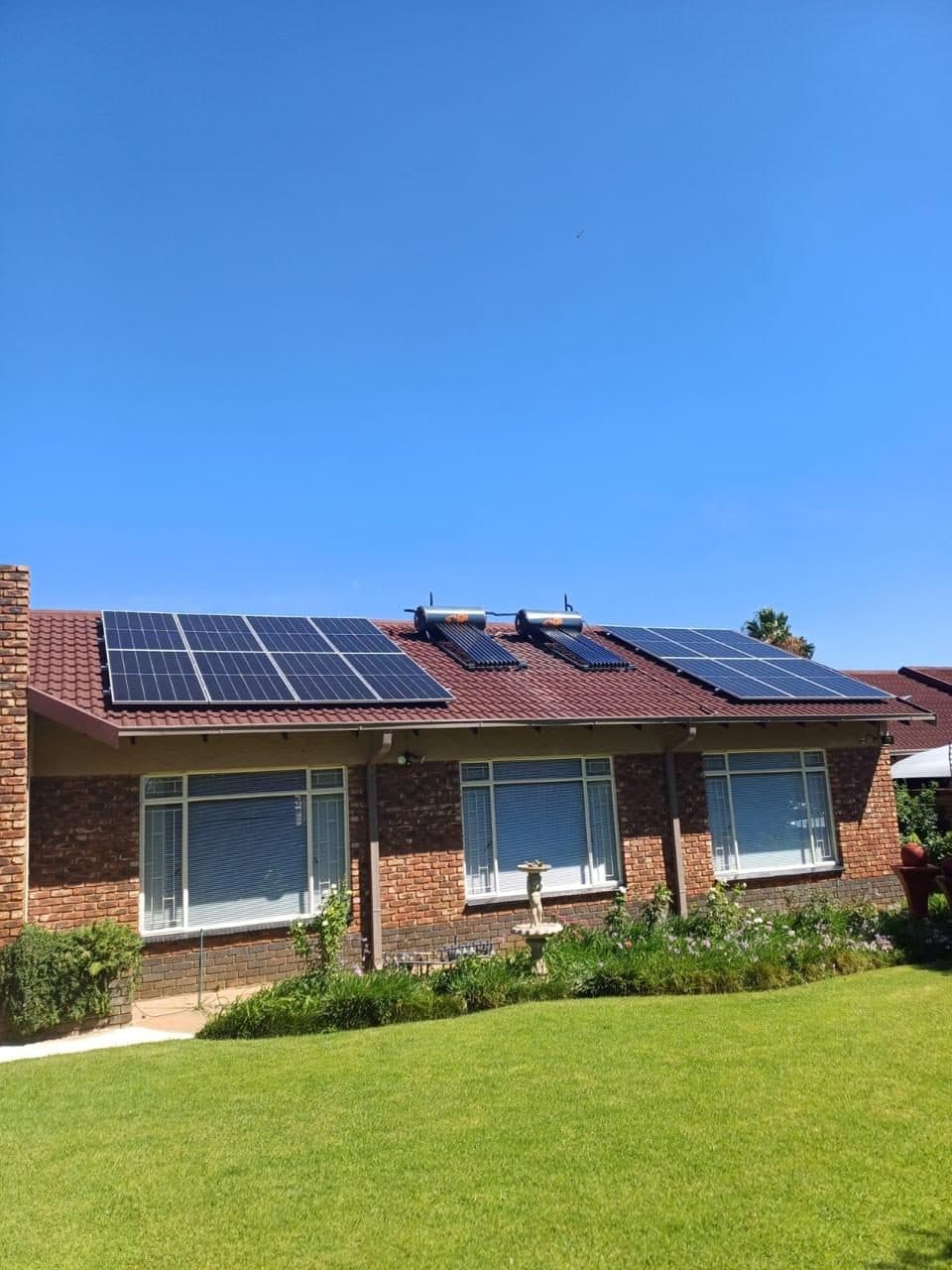
If you have solar or a backup system, surge protection is not optional extra. It protects the most expensive electronics in the house. See our backup power and solar service and our guide to backup options.
Two levels of protection, and why you want both
| Level | Where it lives | What it does |
|---|---|---|
| Board-level surge protection | Inside the distribution board | Catches large surges as they enter the house and protects every circuit |
| Point-of-use protection | A plug-in unit at the appliance | Catches what gets past the board and protects sensitive electronics such as TVs and computers |
Board-level protection does the heavy lifting. Point-of-use units are a useful second line for delicate equipment, but a plug-in strip on its own is not a substitute for protection at the board.
Why a cheap plug-in strip is not enough
- Many cheap multiplugs advertised as surge protected are barely protected at all, with no meaningful rating.
- The protective parts wear out. After a big surge a strip may keep working as a plain multiplug while giving no protection, so check its indicator light and replace it after a serious event.
- Protection depends on a good earth connection. A surge protector can only divert the excess voltage if there is a proper earth to send it to, and older installations often do not have one.
- A strip protects one outlet. It does nothing for the fridge, air conditioner or inverter on a separate circuit.
What it can and cannot do
Surge protection dramatically reduces the risk of damage, but it is not magic. A direct lightning strike to a building can overwhelm any device, and protection only works if the installation behind it is sound. That is why we check the earthing and the condition of the board whenever we fit it.
What a proper installation involves
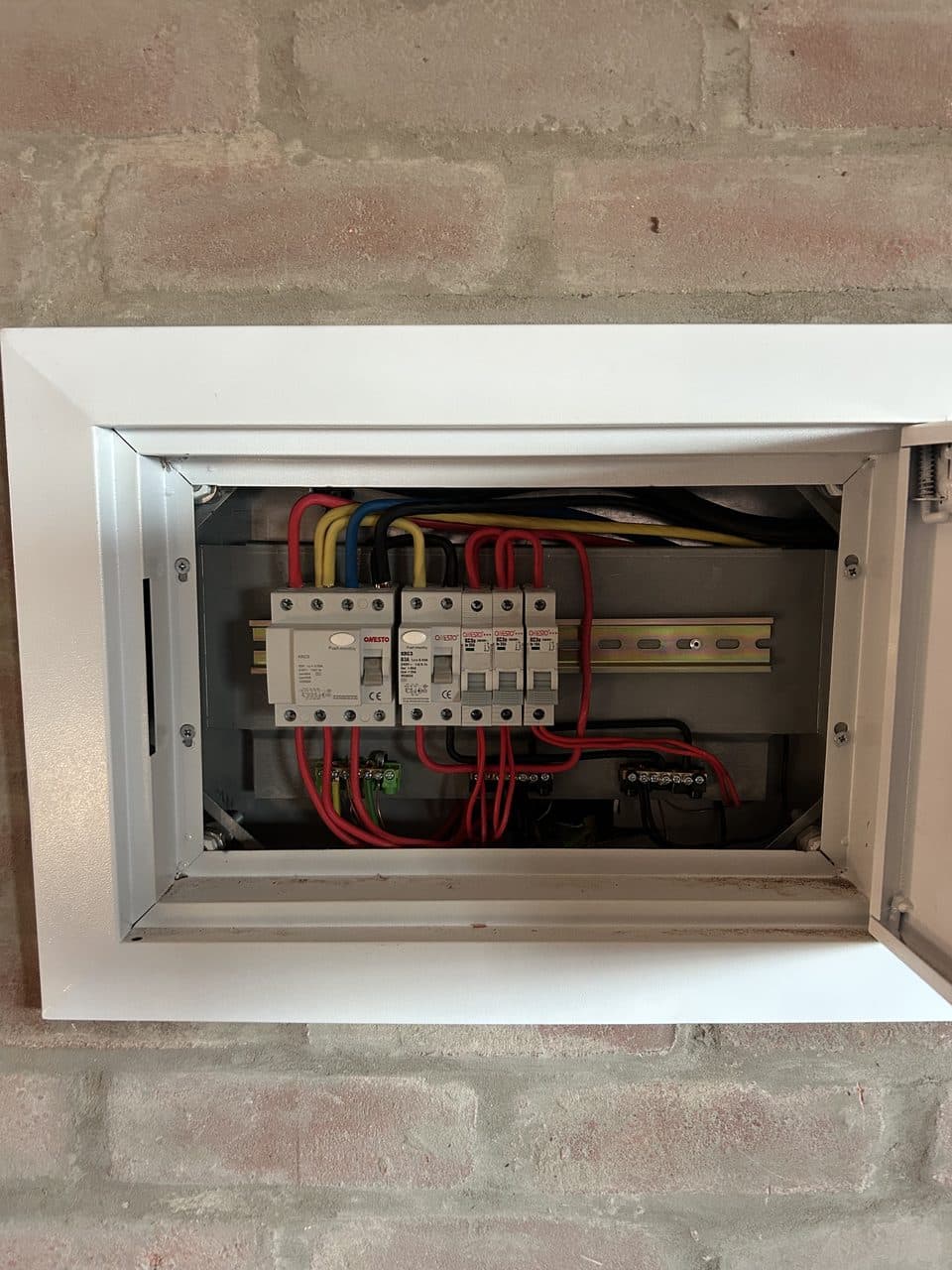
- 1We inspect the distribution board and test the earthing, because protection without a good earth does very little.
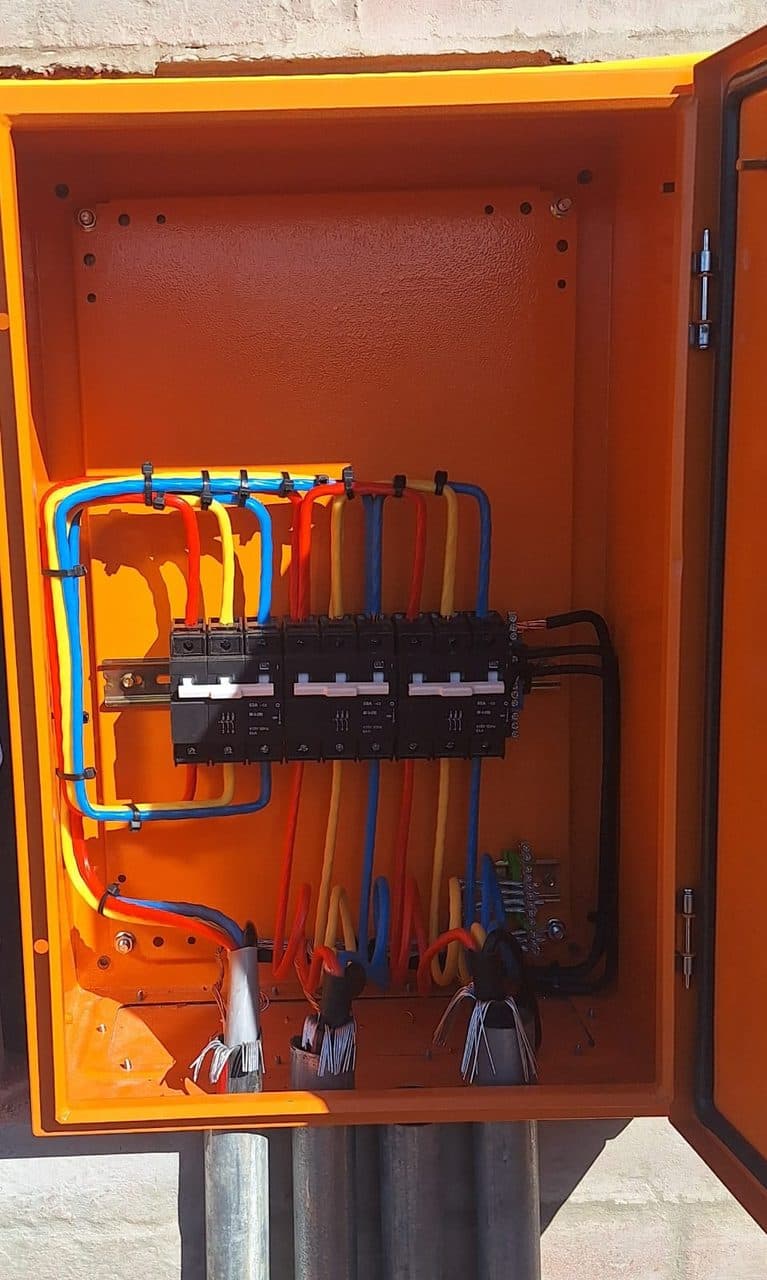
- 2A surge protection device is fitted in the board, correctly rated and connected with the right protective breaker.
- 3Where the board is old, rusted or full, we recommend upgrading it as part of the job.
- 4We label and test the installation and confirm everything is working.
Surge protection is often fitted during a distribution board upgrade or alongside a solar or inverter installation, which keeps the cost down. Some insurers also ask whether protection is installed, so check your policy. Request a free quote or call 082 773 9913. Heading into the holiday season? Add it to your holiday home electrical checklist.
Common questions
Do I need surge protection if I have an earth leakage device?+
Yes, they do different jobs. An earth leakage device protects people from shock by cutting the power when current leaks to earth. Surge protection protects equipment from voltage spikes. Neither replaces the other.
Will surge protection stop damage from load shedding?+
It greatly reduces the risk from the voltage spikes that can occur when power is restored, which is one of the most common times appliances are damaged. It does not stop the outage itself, which needs a backup system.
How long does a surge protector last?+
The protective components wear down as they absorb surges, so there is no fixed lifespan. Most devices have an indicator showing whether protection is still active, and they should be checked after a major storm and replaced if the indicator shows a fault.
Is a surge protected multiplug good enough for my TV?+
A quality point-of-use protector is a sensible second layer for a TV, but it works best alongside protection at the distribution board. On its own it leaves the rest of the house exposed.