Whether or not scheduled load shedding is running this month, outages have not gone away. Faults, storms, cable damage and municipal repairs still switch the power off, and the households that cope best are the ones that decided in advance what they want to keep running.
This guide compares the realistic backup options for a Garden Route home, shows what common appliances actually draw, and gives you a simple method to work out what size system you need.
The four options compared
| Option | Best for | Watch out for |
|---|---|---|
| Small UPS or mini inverter | Router, Wi-Fi, lights and laptops for a few hours | Will not run a fridge for long, or anything heavy |
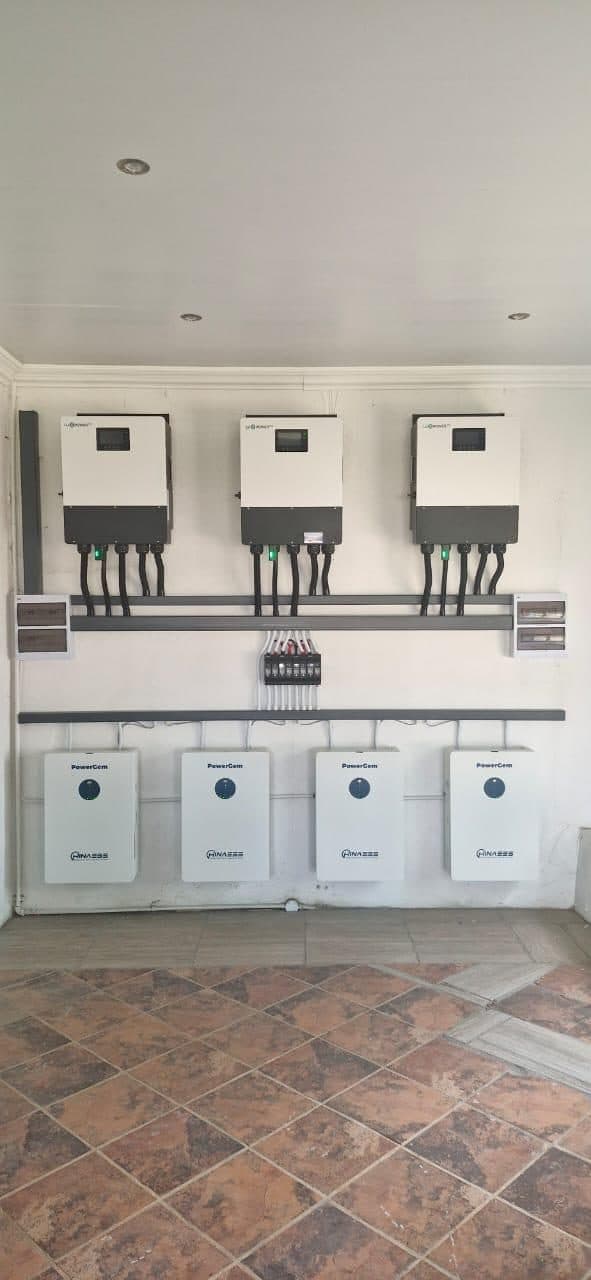
| Hybrid inverter and battery | Whole-home essentials: fridge, lights, TV, Wi-Fi, gate | Must be sized for surge and total essential load |
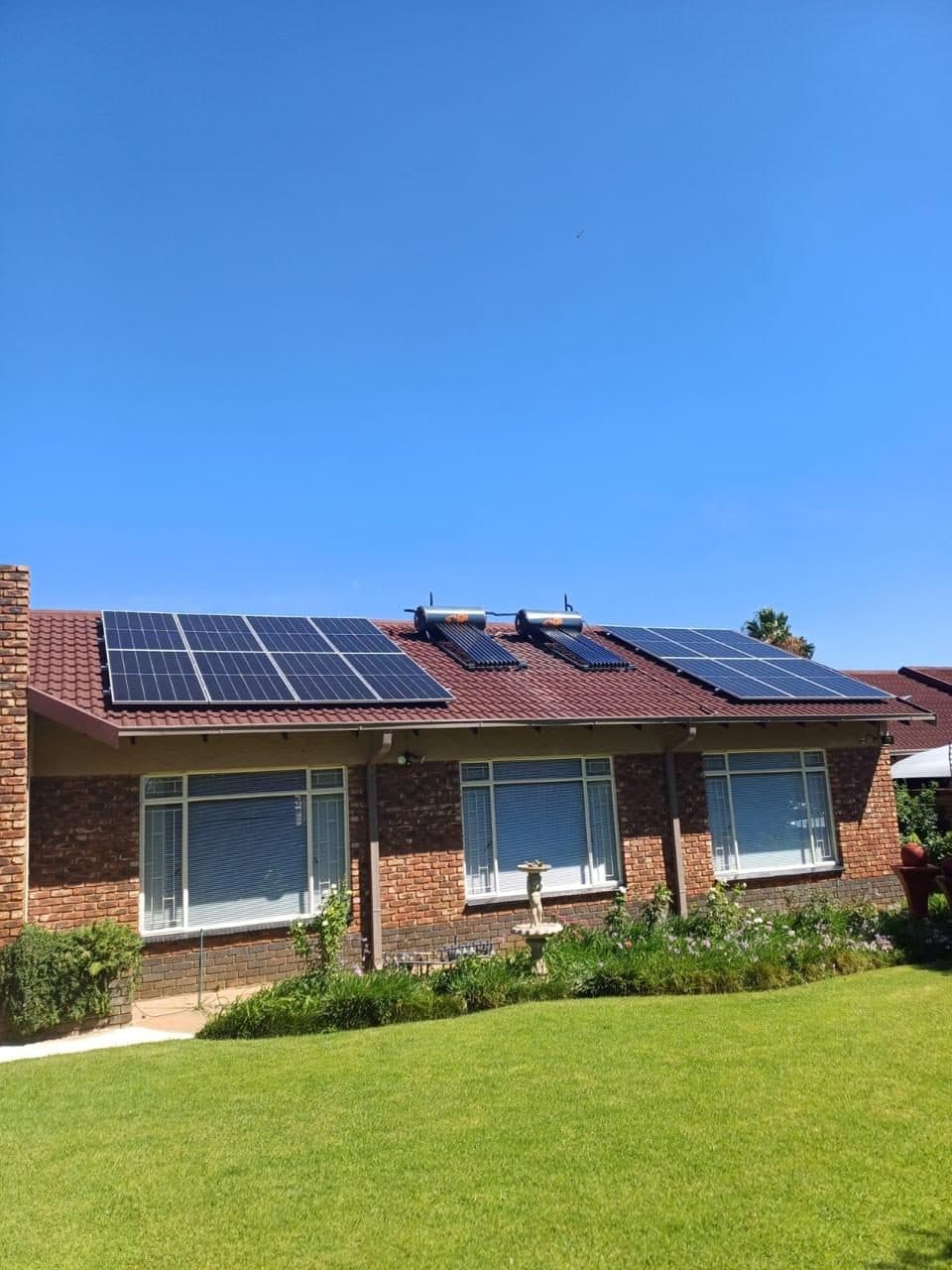
| Solar with battery | Cutting the bill as well as covering outages | Highest upfront cost, and battery size sets the night run-time |
| Generator | Long outages and heavy loads at a lower upfront cost | Noise, fuel, regular running and a properly installed changeover switch |
Most homes we see end up in the middle two. A hybrid inverter with a battery covers the essentials silently and automatically, and adding solar later is straightforward if the inverter was chosen with that in mind.
Start by deciding what must stay on
The biggest sizing mistake is trying to back up the whole house. Heavy heating loads such as the geyser, stove, oven and kettle use enormous power for very little convenience when the grid is off. Decide on a short list of essentials, and the system gets smaller, cheaper and far more reliable.
| Appliance | Typical running draw | Back it up? |
|---|---|---|
| LED lights | 5 to 10 W each | Yes |
| Wi-Fi router | 10 to 20 W | Yes |
| Fridge or freezer | about 100 to 200 W when running | Yes |
| TV | 50 to 150 W | Usually |
| Laptop | 40 to 80 W | Yes |
| Gate motor and security | varies, small | Yes |
| Air conditioner | about 700 W and up | Sometimes, see below |
| Geyser, stove, oven, kettle | 2,000 W and up | No |
These are typical figures only, so check the nameplates on your own appliances. Fridges and freezers also surge when the compressor starts, which matters when sizing the inverter. If air conditioning is on your wish list, our guide to running air conditioning on solar and backup power explains how to size for it.
A worked example
Say your essentials are eight LED lights (about 80 W), a fridge (about 150 W), a router (about 15 W) and a TV (about 100 W). That is roughly 350 W, or about 1.4 kWh over a four-hour evening.
A battery with 5 kWh of usable capacity could carry that load for around 14 hours in theory. That is why the real decision is rarely battery size alone. It is what you want to add on top: the gate, a second fridge, a bedroom air conditioner, working from home. Each addition changes both the inverter size and the battery you need.
Batteries versus generators
- Lithium battery: silent, automatic switchover, long life and deep usable capacity. Higher upfront price, lower cost over the years.
- Lead-acid battery: cheaper to buy, but you can use much less of the capacity and replacement comes sooner.
- Generator: the cheapest way to run heavy loads for long periods. You pay in fuel and noise, it has to be started, and it needs servicing and regular running to be reliable when you need it.
Many households combine the two: batteries for the everyday essentials, and a generator input on the inverter for the rare multi-day outage.
The part you must not improvise
Backup power is the area where DIY causes the most dangerous mistakes. The worst is plugging a generator or inverter into a wall socket to power the house, known as backfeeding. It can send power back up the supply line and seriously injure or kill someone working on the grid.
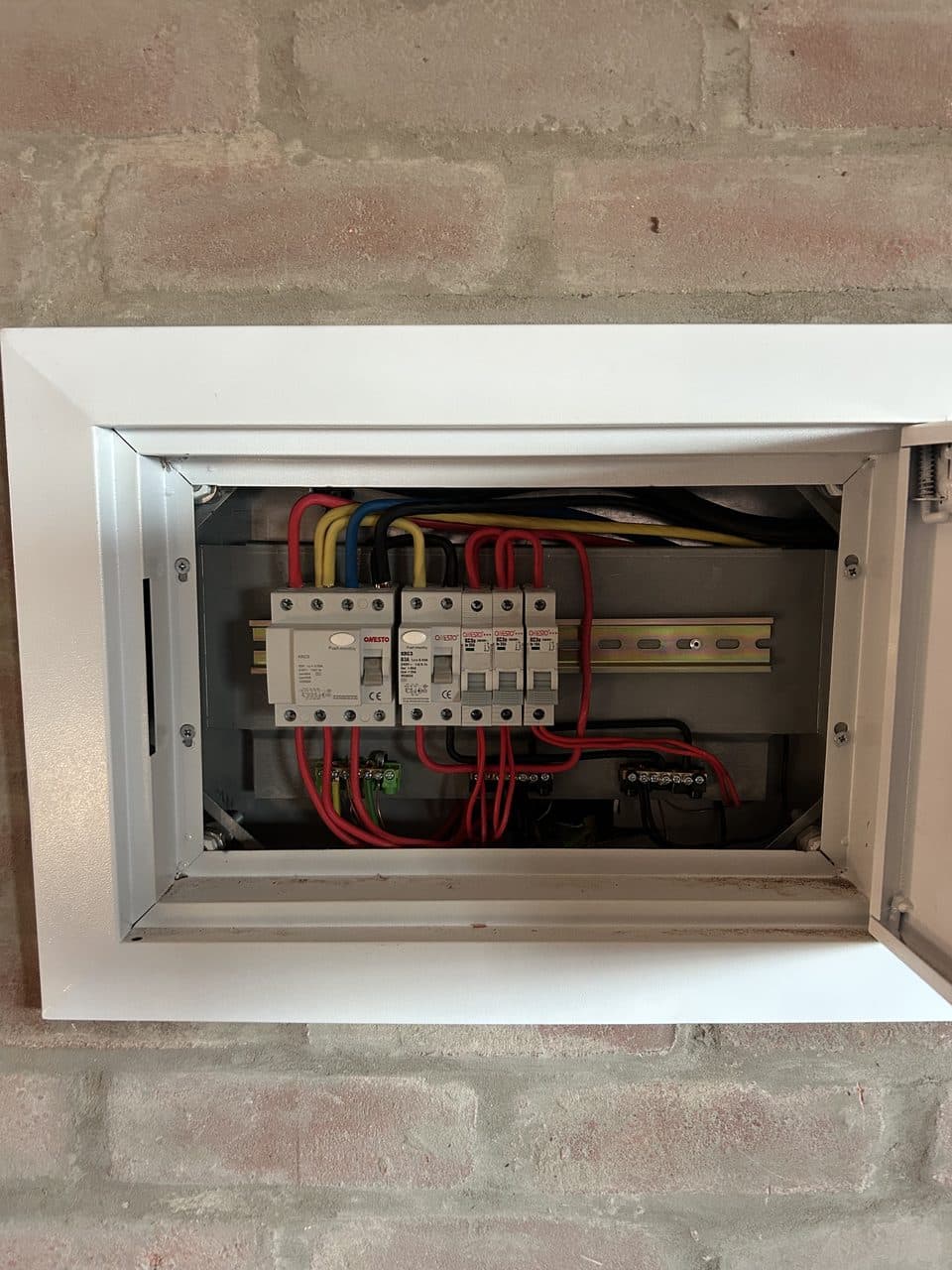
- Generators and inverters must connect through a proper changeover switch or inverter-rated circuit, never a plug.
- Heavy loads belong on correctly sized, dedicated circuits.
- The finished installation should be certified, which matters for insurance and when you sell. See our guide to the electrical COC.
- Protect the equipment itself. Inverters are expensive and sensitive, so read our guide to surge protection.
Getting it sized properly
We start with your distribution board and a list of what you want kept on, then give a fixed written quote for the inverter, battery and any solar. Our backup power and solar service covers the design, installation and certification. Request a free quote or call 082 773 9913. Running a holiday let? Read our holiday home electrical checklist.
Common questions
Can a small inverter run a fridge?+
Usually yes, provided the inverter is rated for the fridge's start-up surge and has enough capacity for everything else you run at the same time. A small UPS built for routers often cannot cope with a fridge compressor.
Do I need solar panels if I have an inverter and battery?+
No. An inverter and battery will charge from the grid and cover outages without any panels. Solar adds the ability to recharge during an outage and to cut your electricity bill, and it can be added later if the inverter supports it.
Is a generator cheaper than a battery system?+
Upfront, usually yes. Over the years you pay for fuel, servicing and noise, and a generator cannot switch over silently and automatically the way an inverter can. The right answer depends on how long and how often your outages run.
Does a backup system need an electrical certificate?+
A backup or solar installation is electrical work and should be certified by the registered contractor who installs it. That certificate matters for insurance and when you sell the property.